
Doorstep · Way In
You already have a way in.
Someone in your business already knows someone on your target account’s top team. Way In finds those ties in the public record, grades each one and tells your sales team how to use it.
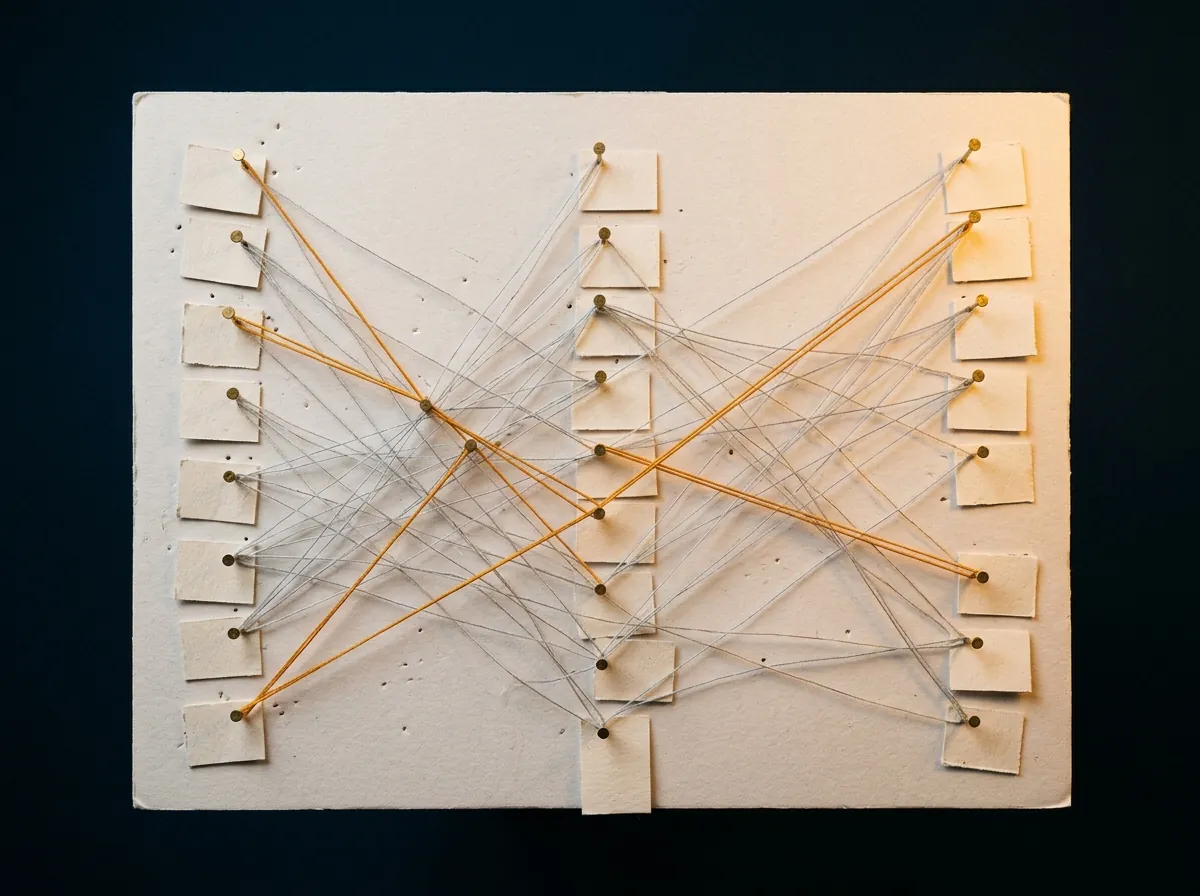
Fig. 01 / One account, and a route to the top floor
The problem
Most approaches to a top team start cold. Few need to.
A relationship manager is handed a target account and told to reach the people who decide. The usual first move is a cold message to a director who has never heard of them.
Two floors up, a colleague spent six years in the same team as that company’s chief information officer. A partner you both use ran its last two projects. Your own finance director congratulated its new finance chief on the day he was appointed.
All of that sat in public view, and nobody had put it on one page. Way In puts it on one page.
Fig. 02 / The connection map
Every route, with a grade and a reason.
Your side sits on the left and the target’s leaders on the right, floor by floor. Between them is the ground you share: old employers, partners, events and customers. Pick a person to see how you reach them.
One target account / 6 people / 7 routes
StrongCheckThinRisk
An example. The companies and the people are invented.
The score is worked out on this page from the data, so you can check the sum.
The door score
Open, ajar or closed.
Every person in a read gets a score out of 100 that shows its working: the ground you hold, the routes that reach them, how reachable they are in public, how much say they have and whether the timing helps.

Closed
Nobody on your side has ground here yet. The read says so plainly and places them later in the plan.
Ajar
Some ground, or a route to check. One question to your own team usually settles it.
Open
Ground, routes and reach are in place. The read names the sender, the channel and the date.
- 01
The answer
One page with the verdict and the next three moves. The gaps are stated beside it.
- 02
The connection map
Every route between your people and theirs, graded.
- 03
The power map
Who decides, set against how open each door is.
- 04
A dossier on every person
Role, career, what they talk about in public and a door score you can check.
- 05
A play for each function
Finance, operations, IT and the rest, each written in the target’s own words.
- 06
A board paper outline
For the person inside the account who will make your case when you are out of the room.
- 07
A dated plan and first messages
Who sends what, to whom, through which channel and on which day.
- 08
Signals, peers and rivals
What has changed, what similar companies run and which firms are already circling.
- 09
The evidence
A source and a date on every claim.
The approach
Built from the public record. Finished with your people.
A read starts with the register of directors and works outwards: the leaders and their careers, what each one posts, who responds when they do, what the company is hiring for and what its peers run.
Then it stops and says what it could not see. The private layer, your own CRM and your people’s networks, is added only when you bring it. Nothing in it is ever guessed.
Principles
Public, professional and sourced.
- Public professional information onlyRoles, careers and public posts. No contact details, no personal life and no home locations.
- Judgement is labelled as judgementGrades and influence scores are our call. The read flags them for you to correct.
- A private site for each clientIts own address and its own sign-in. One client can never open another’s read.
- The gaps come firstA box on every view says what is unknown and what you need to confirm.